Complete Guide to Soundproofing & Thermal Insulation in Nepal
Soundproofing and thermal insulation are often treated as separate projects, but in practice they overlap more than most people expect — many of the same materials that keep heat out also help keep sound in (or out). Here's a practical guide to both, tailored to what's available and commonly needed in Nepal.
Understanding the Difference: Sound Absorption vs Sound Blocking
This is the single most misunderstood concept in acoustics. Sound absorption (using foam panels, fabric-wrapped panels, or Rockwool) reduces echo and reverb *inside* a room, improving how it sounds. Sound blocking (using mass — dense materials like Mass Loaded Vinyl, extra layers of drywall, or sealed doors and windows) prevents sound from *passing through* walls to neighboring rooms. A studio usually needs both; a bedroom that just wants less street noise mainly needs blocking.
Acoustic Panels: Choosing the Right Type
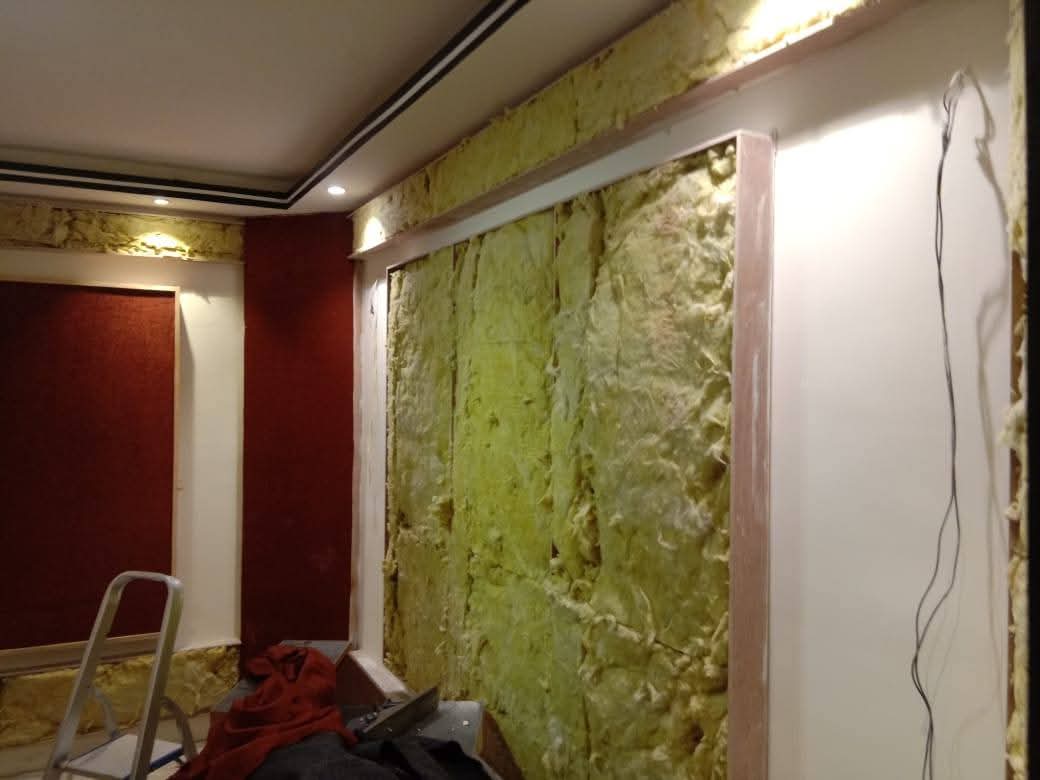
Rockwool acoustic panels — Dense, effective across a wide frequency range, and fire-resistant. The default choice for serious studio treatment.
Pyramid and wedge foam panels — Lightweight and affordable, best for high-frequency absorption in home studios and small rooms.
Fabric-wrapped panels — Combine acoustic performance with a finished, decorative look — popular for boardrooms and living spaces where aesthetics matter alongside acoustics.
Perforated wood panels — A premium option that pairs sound diffusion with a natural, architectural finish, often used in auditoriums and high-end studios.
Mass Loaded Vinyl (MLV): The Sound-Blocking Workhorse
MLV is a dense, flexible vinyl sheet installed inside a wall cavity or hung as a curtain. Because sound blocking depends on mass rather than softness, MLV punches well above its thin profile — it's the material of choice when a wall needs to stop sound from crossing between a home theater and the rest of the house, or between adjacent office pods.
Doors and Windows: The Weakest Link
Even a perfectly insulated wall leaks sound through an untreated door or window. Solid-core doors with compression seals, and double- or triple-glazed windows, close this gap. For studios, a dedicated soundproof door is usually worth the investment over trying to retrofit a standard door.
Combining Thermal and Acoustic Goals
If you're insulating a room for temperature control anyway, upgrading to Rockwool instead of a purely thermal material like EPS gets you meaningful sound benefits at a modest cost increase — a sensible default for any room where both comfort and quiet matter, from home offices to bedrooms facing a busy street.
Getting It Right the First Time
Acoustic treatment is hard to retrofit cheaply — walls need to come down to fix a poorly insulated cavity. A short consultation before construction or renovation begins can save significant rework later. Prefab House Nepal offers a free acoustic assessment as part of our consultation service — reach out before you start building.