Why Prefab Houses Are the Future of Construction in Kathmandu, Nepal
Nepal's construction industry is rapidly evolving. With increasing demand for faster, cost-effective, and earthquake-resistant buildings, prefabricated construction is emerging as the smartest solution. Prefab houses are no longer just an alternative — they are becoming the future of modern construction in Nepal.
At Prefab House Nepal Pvt. Ltd., we believe prefab technology is the answer to Nepal's unique geographic, climatic, and economic challenges.
What Is a Prefab House?
A prefab (prefabricated) house is built using factory-manufactured components such as EPS sandwich panels, steel structures, and modular units, which are transported to the site and assembled quickly. Unlike traditional brick-and-cement construction, prefab houses reduce construction time, minimize material waste, offer better quality control, and are more earthquake-resistant.
Why Prefab Construction Is Ideal for Nepal
Earthquake Resistance — Nepal lies in a high seismic zone. Prefab structures are lightweight yet strong, which significantly reduces earthquake impact compared to heavy masonry buildings.
Faster Construction — Prefab houses can be completed up to 60% faster than conventional buildings, which is especially beneficial for residential homes, schools and hospitals, commercial projects, and post-disaster reconstruction.
Cost-Effective Solution — With reduced labor costs, shorter timelines, and less material wastage, prefab construction offers excellent value for money without compromising quality.
Energy Efficiency — Prefab wall and roof panels provide superior thermal and sound insulation, keeping buildings cooler in summer and warmer in winter — reducing energy bills.
Eco-Friendly Building — Prefab construction generates less waste and uses sustainable materials, making it an environmentally responsible choice for Nepal's future.
Applications of Prefab Houses in Nepal
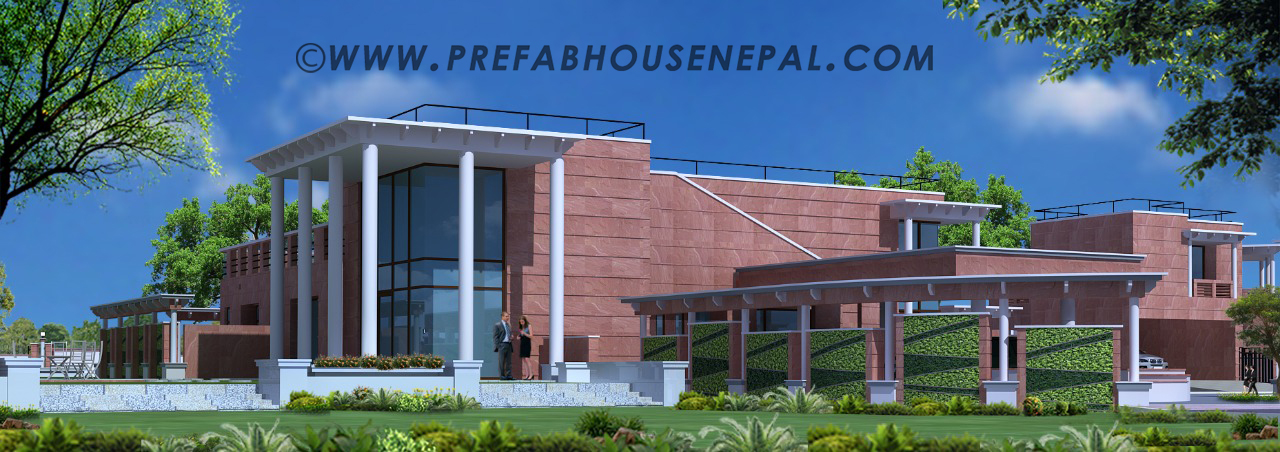
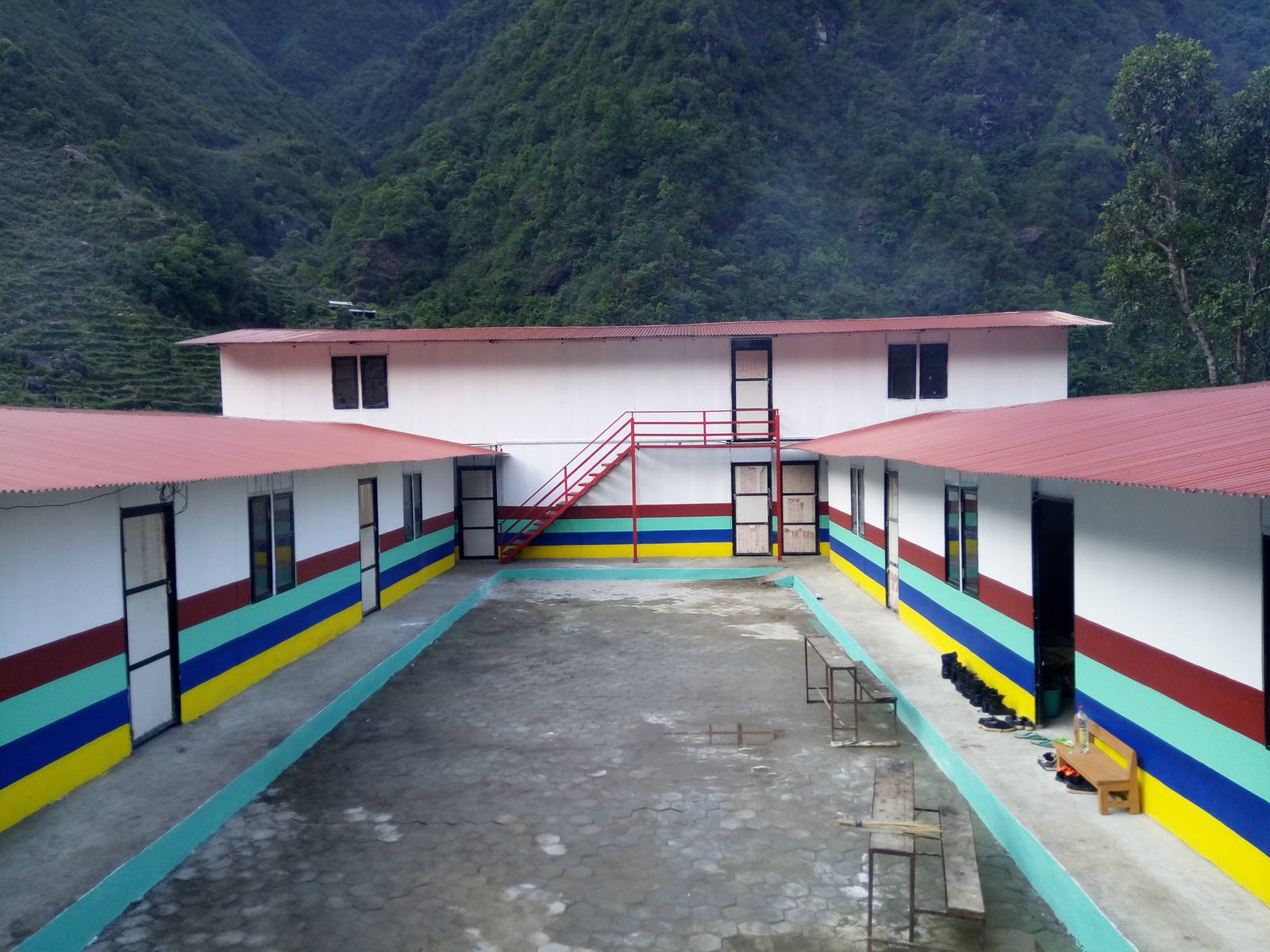
Prefab construction is highly versatile and suitable for residential homes and villas, schools and colleges, hospitals and clinics, office buildings, resorts and lodges, warehouses and industrial sheds, and temporary shelters and site offices.
Prefab vs Traditional Construction
| Feature | Prefab Construction | Traditional Construction |
|---|---|---|
| Construction Time | Very Fast | Slow |
| Cost Control | High | Variable |
| Earthquake Safety | Excellent | Moderate |
| Material Waste | Minimal | High |
| Energy Efficiency | High | Low |
Conclusion
Prefab houses are not just a trend — they are a smart, sustainable, and future-ready construction solution for Nepal. With rising urbanization, housing demand, and the need for safer buildings, prefab technology is set to play a major role in shaping Nepal's infrastructure.
If you're planning to build faster, safer, and smarter — prefab is the way forward. Contact Prefab House Nepal Pvt. Ltd. today for a free consultation.