RCC vs Prefab for Institutional Buildings: What Nepali Developers Should Know
When a developer or business owner in Nepal plans an office building, hotel, or corporate complex, one of the first decisions is structural: reinforced cement concrete (RCC), prefab steel frame, or a hybrid of both. Each has a place — here's how to think about the choice.
Where RCC Still Wins
RCC remains the standard for tall, multi-storey institutional buildings where long spans, heavy floor loads, and future vertical expansion are priorities. It also tends to be the more familiar option for lenders and municipal approval processes, which can simplify financing and permitting for large commercial projects.
Where Prefab Steel Pulls Ahead
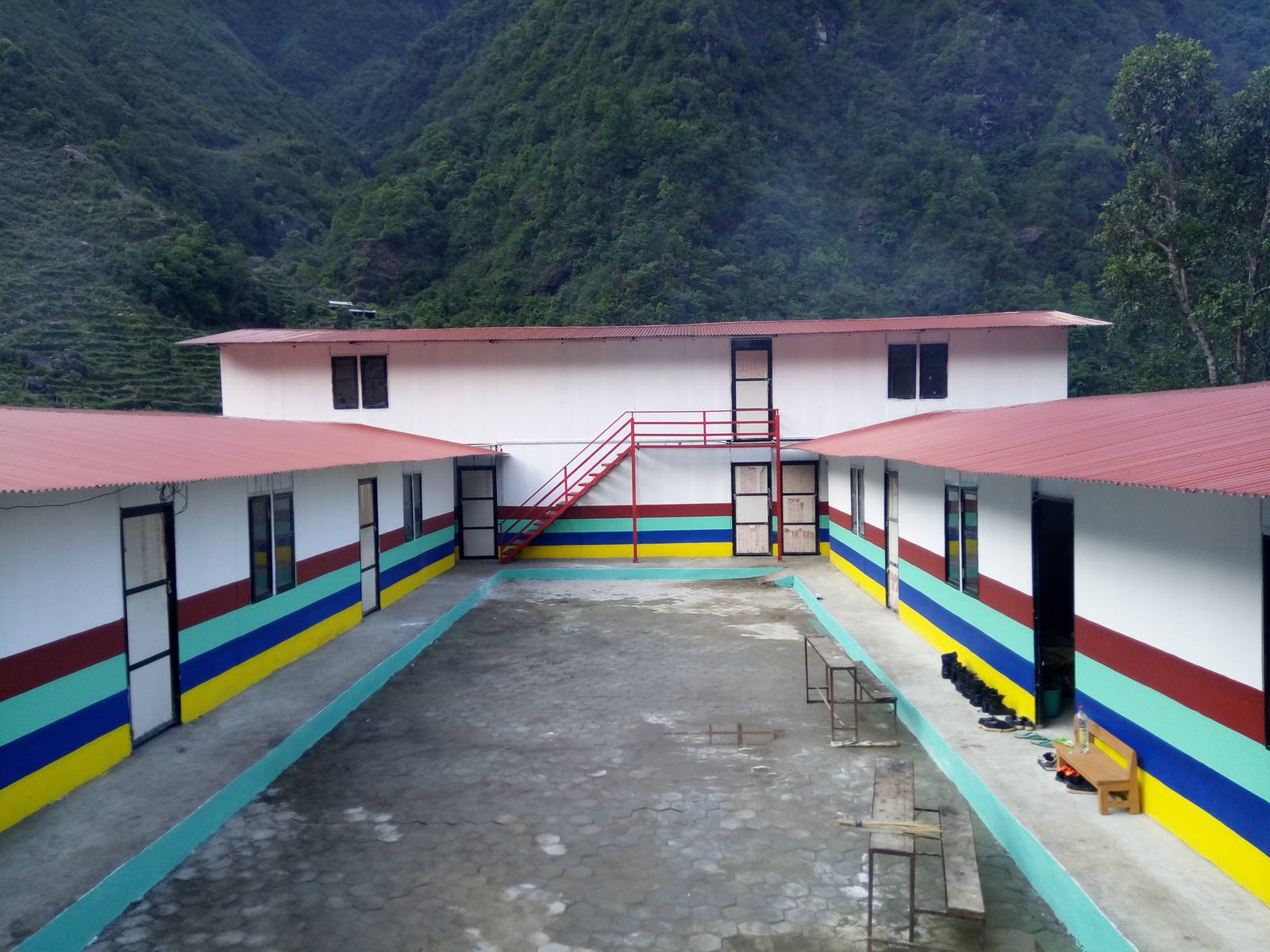
For single- or double-storey office buildings, showrooms, or campus-style institutional layouts, prefab steel construction typically finishes 40-60% faster than RCC, with more predictable costs since the bulk of fabrication happens in a controlled factory environment rather than on an open site.
The Hybrid Approach
Many of our institutional projects combine the two: an RCC ground-floor podium or core structure for stability and services, with prefab steel and insulated sandwich panels for upper floors or expansion wings. This gets the best of both — proven load-bearing performance where it matters most, and speed where it doesn't compromise structural requirements.
Practical Considerations for Nepali Sites
- Site access: Prefab components need reasonably good road access for delivery; RCC construction is more forgiving of tight or remote sites since materials arrive as raw inputs (cement, rebar, aggregate) rather than large finished panels.
- Seismic performance: Both systems can be engineered to Nepal's building codes, but prefab's lighter overall structure generally reduces seismic loading compared to an equivalent RCC building.
- Facade flexibility: RCC gives architects more freedom for complex curved or heavily glazed facades; prefab systems increasingly support the same through curtain-wall glazing and ACP cladding, but the design has to account for the modular grid.
Our Recommendation Process
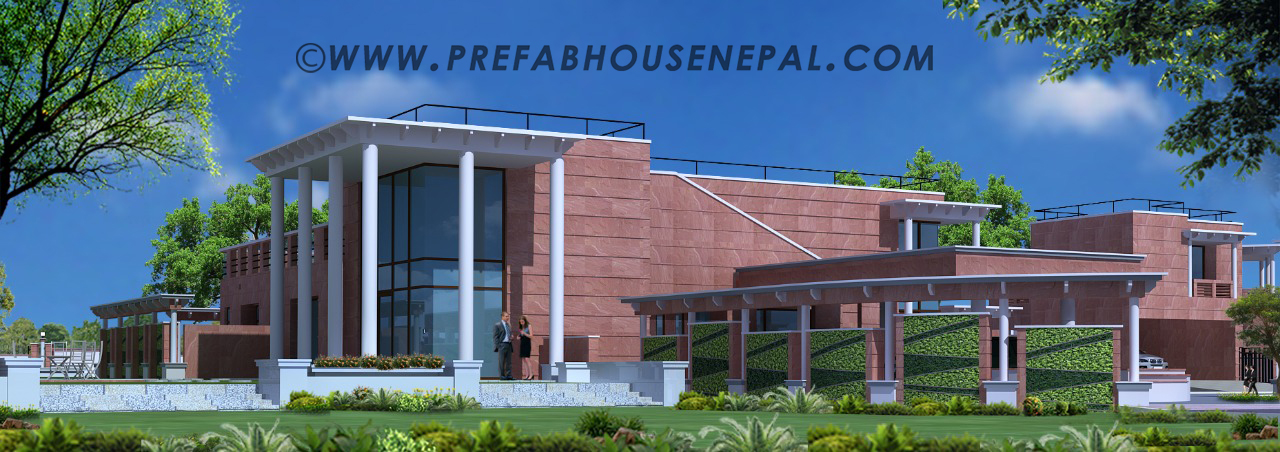
We start every institutional project with a design consultation covering intended use, floor loads, site access, timeline, and budget — then propose RCC, prefab, or a hybrid structural approach based on those specifics, backed by 2D/3D architectural renders before any construction begins.
If you're planning an office, hotel, or institutional building in Nepal, request a free consultation and we'll walk you through which structural approach fits your project.